Shine On: Keep Reusable Lunch Gear Fresh, Safe, and Built to Last
Today’s focus is Best Practices for Cleaning and Caring for Reusable Lunch Gear, bringing together real-world routines, science-backed hygiene tips, and joyful habits that make every box, bottle, and bag feel reliably fresh. Expect practical steps, gentle solutions, and ways to save time, money, and waste. Join the conversation below and subscribe for fresh ideas.
Daily Routines That Actually Work
Small, repeatable habits keep lunchtime favorites spotless without stealing your evening. We map out a quick rinse sequence, safe soap choices, and smarter drying positions that stop odors before they start. Borrow field-tested tricks from busy families and meal-preppers, then share your tweaks so others can streamline their nightly reset with confidence.
The Five-Minute Evening Reset
Start with an empty sink, dump leftovers, disassemble lids and gaskets, and give everything a warm, soapy swipe within minutes of arriving home. A dedicated drying rack and microfiber towel reduce spots, while a consistent ritual prevents odors, saves time, and stops tomorrow’s scramble.
Smart Drying Prevents Funk
Let airflow do the heavy lifting: stand containers on their sides, lift flaps, and separate silicone rings so moisture escapes. Avoid stacking while warm, and rotate towels when damp. This simple airflow discipline is the quiet hero behind consistently fresh-smelling lunch gear.
Labeling and Staging for Tomorrow
Group clean containers by purpose, label lids and bottoms to match, and stage an assembled set on a cooling rack overnight. Morning you will thank evening you, because nothing derails hygiene faster than frantic mismatches, mystery odors, and rushed, sloppy packing under pressure.
Materials Matter: Plastics, Steel, Glass, and Silicone
Different materials shine in different roles. We compare scratch resistance, odor retention, temperature tolerance, and dishwasher safety, so you can match snacks and mains to the right container. These insights protect finishes, preserve flavors, and extend the life of every hardworking piece in your kit.
Stainless Steel Confidence
Durable walls shrug off stains and odors, making steel perfect for hearty leftovers and kid-proof durability. Use non-abrasive sponges, skip chlorine bleach, and dry thoroughly to prevent spotting. Pair with silicone lids for leak resistance without sacrificing longevity, and enjoy crisp flavors unclouded by lingering plastic notes.
BPA-Free Plastics Without the Cloudiness
Lightweight, affordable containers thrive with gentle care. Avoid boiling water and super-hot drying cycles that warp shapes or create stress cracks. Wash promptly after acidic sauces, choose soft-bristle brushes, and rotate sets so each piece rests between uses, slowing haze, stains, and micro-scratches that trap smells.
Silicone and Glass: Odors, Stains, and Heat
Silicone excels with flexible seals and pouches, yet can harbor curry or garlic aromas without periodic baking-soda soaks. Glass resists stains and heats evenly but needs protective sleeves. Know what belongs in ovens, freezers, and dishwashers, and store with lids ajar to discourage trapped humidity.
Deep-Clean Days and Odor Rescue
Set a predictable weekly rhythm for resets that go beyond daily soap and water. Gentle de-staining with baking soda, oxygen-based cleaners, or diluted vinegar revives tired pieces. A few calm minutes now prevent lingering funk, stubborn films, and that telltale lunchbox whiff your crew dreads. Bookmark this checklist and share your best rescue story in the comments to help other lunch-packers recover gear with less stress.
Disassemble Without Losing Tiny Parts
Snap a quick photo before pulling pieces apart, place gaskets in a mesh bag, and soak lids separately. A divided tray or ice-cube mold corrals screws and valves. Build a checklist for reassembly so nothing traps residue or leaks when tomorrow’s backpack jostles and bumps.
Straw Hygiene for Smooth Sips

Use a narrow brush and warm, soapy water, pushing from both ends until suds crest. Rinse under pressure to clear pulp or protein shakes. If odors linger, park straws in a baking-soda soak, then dry vertically so hidden beads of water exit completely.
Mold Watch: Spots, Smells, and Action
At the first sign of specks or earthy aromas, pause use, clean thoroughly, and sanitize per manufacturer guidelines. Replace cracked lids or stained silicone that resists refreshment. Document problem patterns, then adjust drying, storage, or transport habits to remove the cause, not merely the symptom.
Dishwasher vs. Handwash: Choosing the Right Approach
Neither method is superior all the time. Match the job to the gear, soils, and schedule. Top racks protect plastics; intensive cycles handle greasy casseroles. Handwash delicate prints. During illness, consider a sanitizing cycle or approved solution, and always verify heat and detergent compatibility first.
Top-Rack Truths and Heat Limits
Check markings for dishwasher safety, prefer the top rack, and skip heated dry for warp-prone plastics. Space items to avoid jet pressure trapping pieces. If labels fade, switch to silicone bands or grease pencils, preserving clarity without adhesive residue that bakes on permanently.
Handwashing Like a Pro
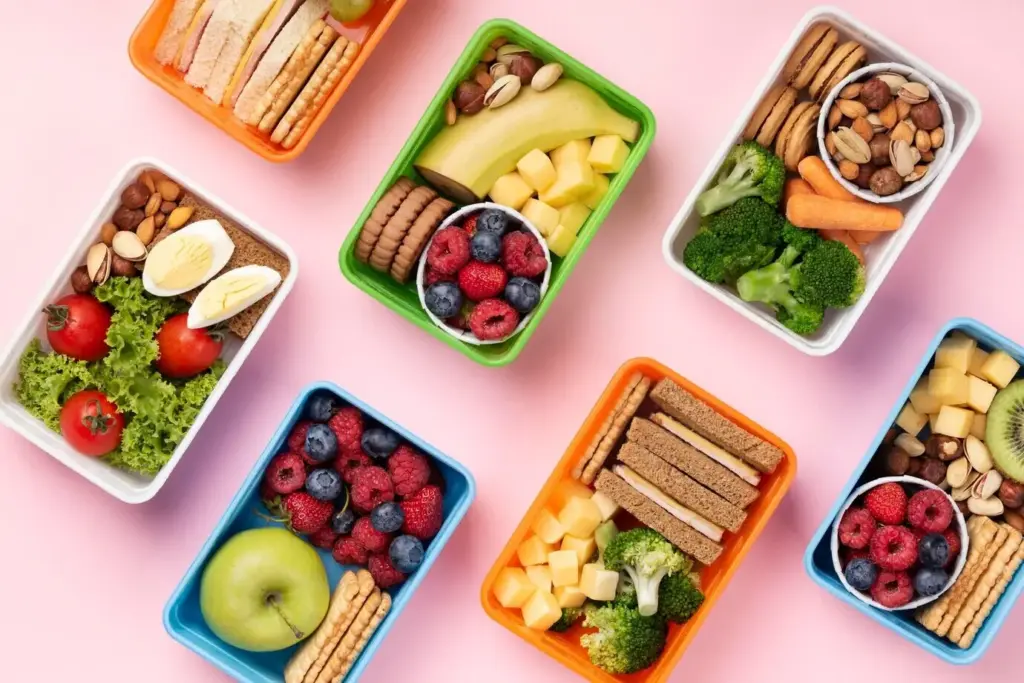
Fill a basin with warm, soapy water; use a soft sponge for surfaces and a nylon brush for crevices. Rinse under running water until squeaky, then air-dry thoroughly. Replace sponges routinely, and sanitize brushes periodically to keep your cleaning tools as trustworthy as your containers.
When Sanitizing Cycles Make Sense
If someone at home is recovering from a stomach bug, or you’re packing perishable proteins in warm weather, a sanitizing cycle can add reassurance. Confirm compatibility, avoid mixing metals with plastics, and still pre-rinse soils so high heat reaches every surface effectively.
Out-and-About Care: At School, Work, and Travel
What happens between breakfast and dinner matters. A simple midday rinse, a mini cloth, or leakproof pouch prevents sticky build-up. Keep cold packs dry, separate sauces, and stash a straw brush. These little safeguards power freshness through carpools, commutes, and after-practice snacks without extra stress.
Midday Quick Fixes That Prevent Nightly Headaches
A cafeteria sink or office kitchenette can handle a thirty‑second rinse that removes sauces before they set. Swirl soapy water in bottles, shake, and air‑dry ajar. Later scrubbing becomes easier, flavors stay true, and tomorrow morning begins smoother, calmer, and satisfyingly organized.
Avoiding Cross-Contact with Allergens
Pack nut-free items in dedicated containers, color-code lids, and store allergen gear separately. Wipe shared tables before eating, and keep utensils in sealed pouches. Communicate needs with teachers or colleagues, and review labels often, because tiny crumbs or residues can travel and surprise.
All Rights Reserved.