Pack Better: Beeswax Wraps and Cloth Sandwich Bags You Can Make Today

Ready to swap plastic for something practical, beautiful, and handmade? Today we will make beeswax wraps and reusable cloth sandwich bags from simple materials, using clear steps, safety tips, and clever tricks. Learn to choose fabrics, blend wax, sew durable seams, and care for everything so your lunches stay fresh, your kitchen looks charming, and your waste bin stays lighter. Share your results, ask questions, and subscribe for more inventive, achievable projects that stick—literally and figuratively—into routines that feel good every single day.

Gathering the Right Materials

Great results begin with smart choices: tightly woven cotton for wraps, cheerful prints for bags, beeswax pellets for easy melting, optional pine resin for grip, and a touch of jojoba oil for flexibility. Add parchment paper or a silicone mat, pinking shears, an iron or oven, and a brush reserved for wax. Keep the setup clean and food-safe, because what touches lunch should inspire trust. With a little preparation, you will work faster, waste less, and create pieces that last long after the first delighted picnic.

Fabric choices that fold, cling, and last
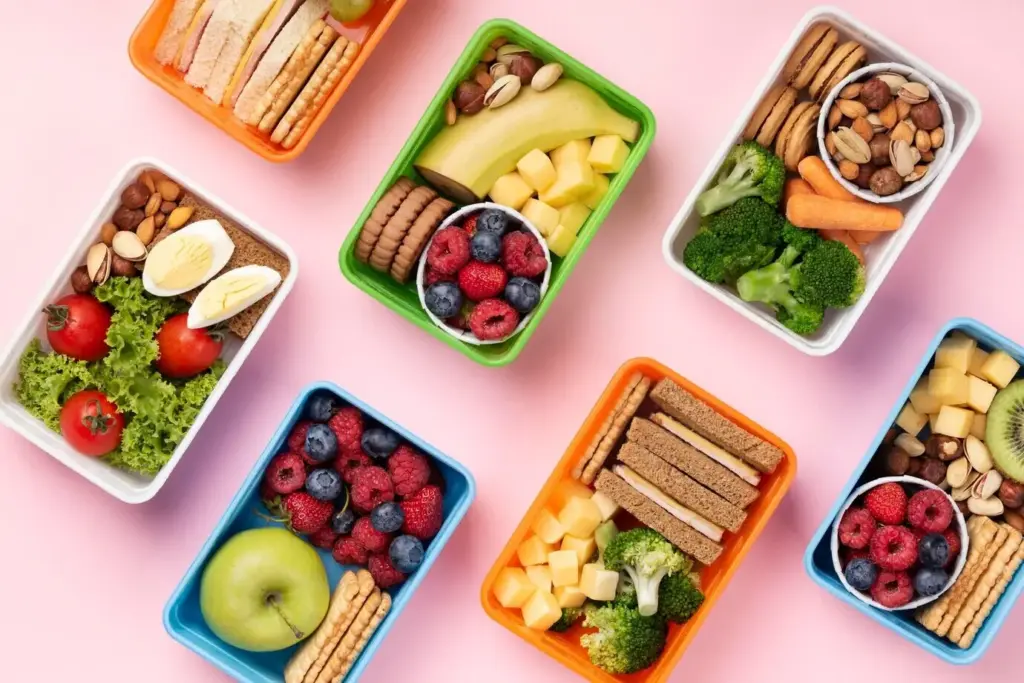
Select 100% cotton with a tight weave; quilting cottons and old, well-washed shirts work beautifully. Prewashing removes sizing and shrinks fabric now, not later. Light to medium weights mold well and dry quickly. Avoid synthetics that repel wax or melt under heat. Prints hide future stains and make lunch feel special. Upcycling familiar textiles adds charm, saves money, and keeps useful fibers in circulation. Hold samples against the light—fewer pinpricks mean fewer leaks and more satisfying daily performance.

Wax, resin, and oil: balancing tack, flexibility, and safety

Beeswax alone works; pellets melt evenly and save time. For extra stick, blend in a modest amount of pine resin, stirring gently for uniformity. A few drops of jojoba oil soften the finish and prevent cracking. Test a tiny swatch before committing to a batch, and adjust ratios to taste. Resin adds grip but can irritate sensitive skin, so consider resin-free blends if needed. Keep everything food-safe, sourced responsibly, and labeled clearly, especially when children help or gifts travel to new kitchens.

Prep, cut, and prewash for crisp edges and predictable shrinkage
Wash fabrics hot to remove finishes, then press smooth so measuring stays honest. Cut common sizes—small snack, sandwich, and large bowl covers—using a ruler and rotary cutter for accuracy. Pinking shears reduce fray and look charming. Keep scraps for tiny jar toppers or to test blends. Mark labels on masking tape for sizes before wax coats them. Preparation prevents crooked seams, uneven edges, and that frustrating moment when a wrap proves too small for a favorite container.

Even coating with oven or iron for smooth, durable performance
Set the oven around 175–185°F (80–85°C) or use a medium-hot iron through parchment. Sprinkle pellets lightly and evenly, letting heat melt them into a glossy pool. Brush swiftly to reach corners, then add a whisper more wax where fabric looks thirsty. Flip with tongs and repeat for balance. Aim for thin, consistent coverage; thicker feels stiff and takes longer to cure. Keep tools warm between pieces so application stays silky and each wrap finishes with professional polish.

Cooling, curing, and that satisfying first seal over a juicy sandwich
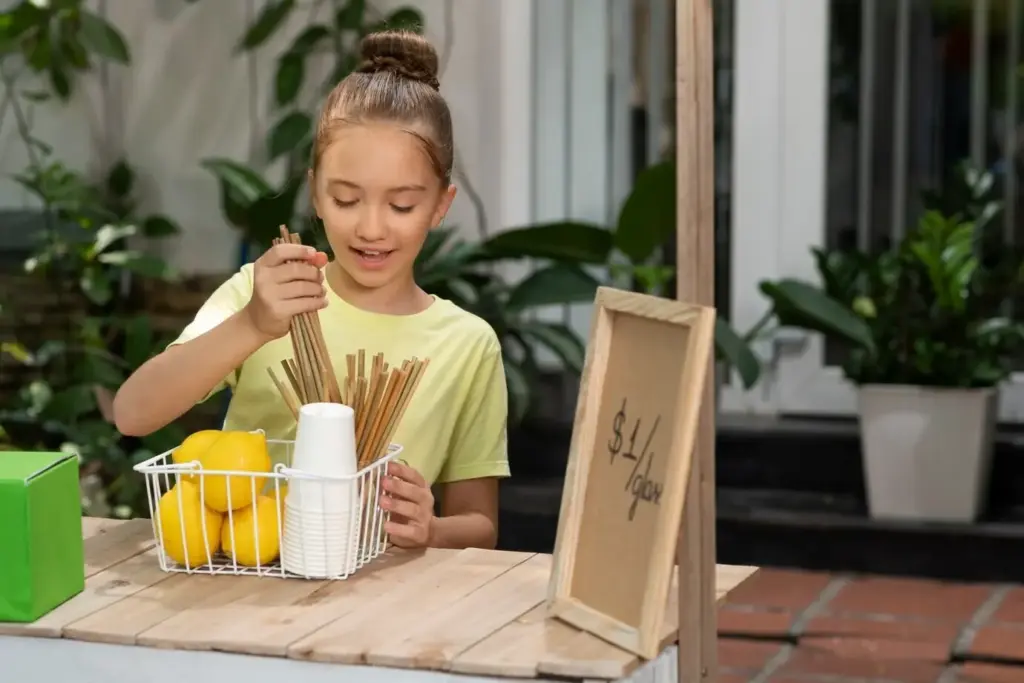
Lift the coated fabric and fan it gently until it firms, then set it on a rack so air reaches both sides. In minutes, you get a velvety surface that warms with your hands and grips bowls, crusty loaves, or sliced fruit. Avoid raw meat, hot pans, microwaves, and dishwashers. Clean in cool water with mild soap only. As you break in the first wrap, listen for the faint tack, feel the edges flex, and enjoy that confident, reusable click of closure.

Sew Reusable Sandwich Bags That Seal and Smile

Let’s stitch clever bags sized for real lunches, not just staged photos. Choose cheerful prints, decide on a simple fold-over or envelope shape, and plan closures that suit speedy mornings. Consider a second cotton layer or thin waxed lining for occasional moisture resistance, always keeping cleaning realistic. Use rounded corners for easy turning, reinforce stress points, and topstitch for crisp lines. These bags invite compliments, withstand tough backpacks, and slide neatly into daily routines without any disposable guilt clinging to them.

Care, Cleaning, and Longevity

Daily care is simple and satisfying. Wash beeswax wraps in cool water with mild soap, keeping them far from heat that melts their beautiful finish. Let them drip-dry, then store flat or gently rolled. Cloth bags love a gentle machine wash and a breeze of air-drying. Refresh wraps with a brief remelt when they look tired, and mend seams on bags before little gaps grow. With small rituals, these handmade helpers outlast countless plastic disposables while still looking cheerful and feeling trustworthy.

Wash beeswax wraps the right way, every time

Keep water cool or barely lukewarm so the coating remains smooth and even. Use a soft cloth or sponge and a whisper of mild soap, then rinse thoroughly. Lay over a drying rack until completely dry. Avoid wringing, microwaves, dishwashers, and sunny car dashboards. If odors linger, air overnight. A sprinkle of baking soda on the sponge can help, but rinse well to protect the finish. Treat wraps like fine table linens, and they will serve like everyday workhorses.

Refresh tired wraps instead of tossing

When surfaces look cloudy or edges crack, place wraps between parchment and warm them briefly to redistribute wax. Add a pinch of pellets to thin spots and brush evenly. Lift, cool, and admire the revived sheen. If fabric fibers feel worn, consider trimming to a smaller size before retiring the remainder to kitchen-fire starter duty. A periodic refresh extends life dramatically, turns small flaws into quick wins, and keeps your set feeling loved rather than neglected at the back of a drawer.
Food-Safe Practices Without Compromise

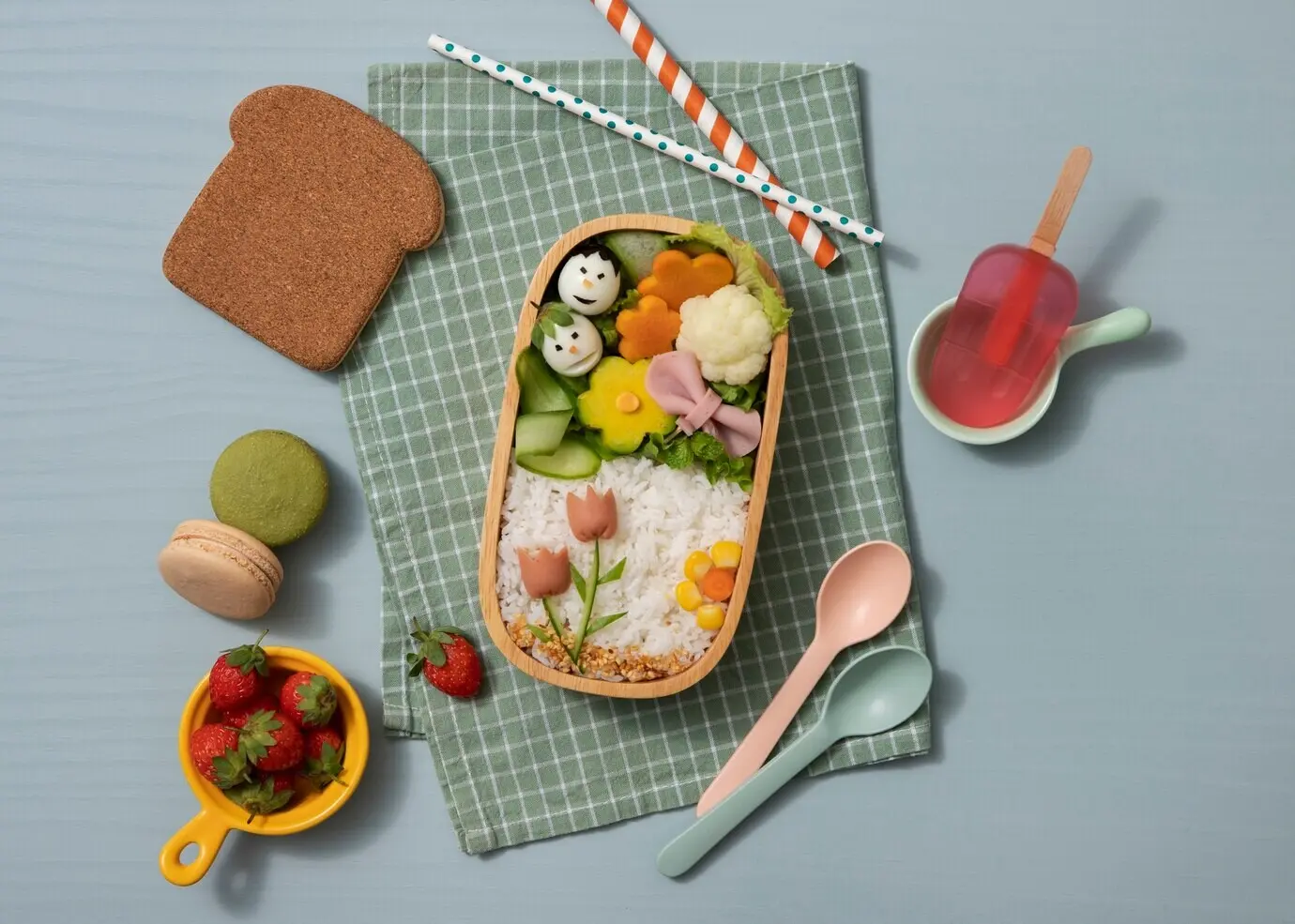
Protect flavor and health with common-sense habits. Wraps and bags happily cradle sandwiches, breads, cheeses with rinds, cookies, and firm produce, but they dislike raw meats, microwaves, and dishwashers. Citrus oils and long soaks can dull finishes; quick, cool washes keep everything balanced. Consider resin-free blends for sensitive skin, label nut-exposed items clearly, and separate savory from sweet to avoid mingled aromas. With mindful boundaries and easy routines, lunch tastes bright, texture stays right, and confidence accompanies every bite from backpack to picnic blanket.

Impact, Savings, and Community Momentum
A single household can skip hundreds of disposable baggies and sheets of film each year by embracing handmade wraps and cloth bags. Costs drop quickly once tools are gathered, and maintenance feels almost soothing. Track your wins: a jar of spared plastic, a lunchbox photo thread with neighbors, or a classroom craft day that ends with proud grins and newly packed snacks. Share patterns, swap fabrics, and teach one friend this weekend. Momentum grows person by person, sandwich by sandwich, delight by tidy, reusable delight.
Zerapexidavokiravexomexo
Privacy Overview

This website uses cookies so that we can provide you with the best user experience possible. Cookie information is stored in your browser and performs functions such as recognising you when you return to our website and helping our team to understand which sections of the website you find most interesting and useful.